


De-Icing Salt Myths Debunked
There are plenty of myths about de-icing salt.
Believing them can cost you more money and lead to incorrect application, reducing the product's effectiveness.
Here at Online Rock Salt, we have been keeping our customers safe during winter for over two decades. In this blog, we separate fact from fiction. From the belief that de-icing salt melts ice instantly to the idea that it should only be spread after it snows, we explain the most common myths and show you how to use de-icing salt correctly.
De-Icing Salt Melts Ice Instantly
While this is an extremely popular belief, it is not actually factual.
White and rock salt can prevent the build-up of snow and ice by lowering the freezing point of water. This process is called freezing-point depression, offering effective ice prevention at temperatures as low as -8°C.
If spread before the temperatures drop, salt will prevent the ice from forming in the first place.
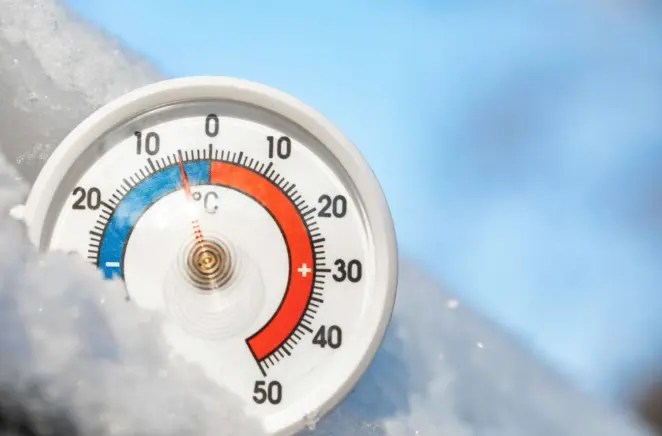

However, if the ice has already formed, this is only the start of the de-icing process. To de-ice effectively, salt needs moisture.
When applied to a surface that’s already frozen, it will need to dissolve in the thin layer of liquid water on top of the ice. This is where foot and vehicle traffic helps: movement crushes the ice, mixes the salt with moisture, and spreads the brine across the surface. In other words, high traffic can ‘activate’ the salt, helping it work more quickly. The process is not immediate, and its duration depends on how busy the area is.
More traffic means ice melts faster, while quieter areas can remain unsafe for some time. This is why roads can sometimes stay icy overnight when traffic levels are low, even if they have already been treated.
More Salt Works Better and Faster
Unfortunately, spreading more salt than recommended does not make it work any better. Its effectiveness is based on chemistry, not volume. Once the correct application rate has been reached, adding more salt provides little to no extra benefit. Instead, it simply wastes product and, in turn, your money.
If you are trying to combat ice, simply spread 10-15 grams of de-icing salt per square metre. For snow, on the other hand, make sure to increase this amount to 20-30 grams per square metre. This is because melting snow can dilute the brine too much, allowing the mixture to refreeze.
In terms of speed, the salt still needs to mix with moisture to form brine and de-ice the area. Adding more salt than recommended does not make this process happen any faster.
For best results, instead of using more product, focus on spreading it evenly across the area you want to treat and, where possible, apply it before icy conditions develop to prevent ice from forming in the first place.
Salt Expires Over Time
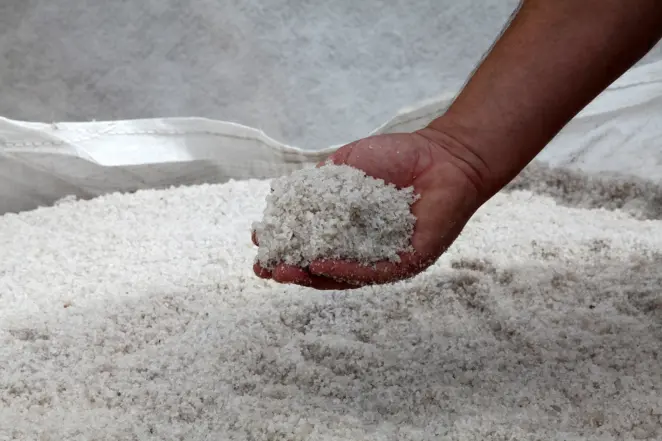
While white and rock salt do not expire, the myth likely came from the fact that their quality can deteriorate significantly if they are not stored correctly.
The UK’s climate is relatively humid due to it being surrounded by oceans and seas. This can be a problem as salt naturally pulls moisture from the air. If not stored properly, it can clump together. Sometimes, it can even turn into solid blocks that need to be broken up before the salt can be used. This affects its spreadability, making it much harder to apply evenly and increasing the risk of certain areas not being treated correctly and staying unsafe.
To prevent this from happening, you can either buy pre-packed salt or a grit bin.
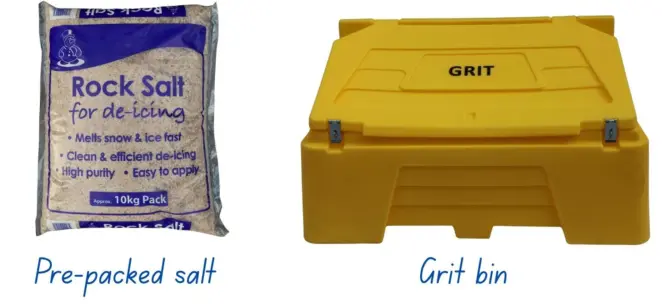
Pre-packed salt has been sealed in a way that keeps moisture from getting in. Simply inspect the bags regularly for any tears and holes and store in a cool, dry place, as sunlight can cause the packaging to deteriorate over time. Avoid places like car boots and conservatories, unless these are well ventilated. Instead, use garages, sheds, or utility rooms.
Grit bins, on the other hand, are made from UV-resistant materials and keep moisture out. This makes them suitable for storing de-icing salt outdoors. They are best positioned in convenient locations that are likely to need treatment during winter, such as car parks, pathways, or site entrances, ensuring salt is always accessible when required.
To learn more about this, read our ‘De-Icing Salt: Summer Storage Tips’ blog.
White Salt Works Better
This is another common myth.
Both white and rock salt work in the exact same way - by lowering the freezing point of water. They are both equally effective at preventing and treating ice.
White salt contains fewer impurities than rock salt and will not stain any indoor floor surfaces, such as carpets or tiles. As a result, it tends to be a preferred option for many businesses with high foot traffic in and out of buildings.
Rock salt, on the other hand, contains more impurities, such as clay, that give it a slightly brown colour. It can leave a slight brown residue behind, which is why it is mainly used in areas where this is not a concern, such as private roads. It is also cheaper than white salt.
In reality, neither product is better than the other, and you should go for one that suits your needs best.
To learn more about the differences between the two, visit our ‘Rock Salt Vs White Salt’ blog.

You Only Need Salt Once It Snows
While a snow forecast is the most obvious sign that your surfaces need de-icing, it is certainly not the only winter hazard. In fact, some of the most dangerous conditions occur when there is no snow at all.
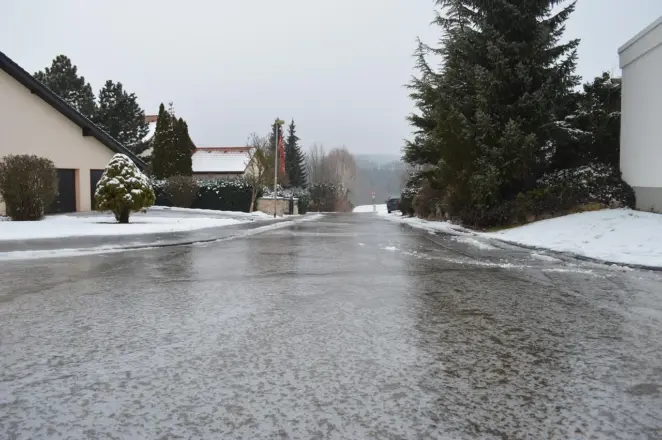
Ice can form on roads, pavements, and other surfaces as soon as the air temperature falls to between 0°C and 4°C. While this may be confusing at first, it happens because surfaces cool more quickly, meaning their temperature can be lower than the air temperature. A car’s windscreen is a great example of this, as it can often freeze even if the air temperature is above the freezing point. Once ice forms, the braking distance can increase up to 10 times, significantly increasing the likelihood of accidents.
Black ice can be even more dangerous. The term refers to a thin, transparent layer of ice that forms on the road, making it almost impossible to see. As a result, drivers and pedestrians can lose traction when they least expect it, increasing the risk of slips, falls, and accidents.
This is why it is very important to still spread salt, even if there is no snow forecast. By doing so, you can keep yourself and everyone around you safe.
You Can Spread De-Icing Salt on Top of Snow
Although de-icing salt can be spread on top of snow, it won't work as effectively as many people think.
Salt has to melt the snow before it can form brine and begin to work. As a result, a lot of it can become diluted or trapped within the snow, instead of reaching the surface and ice beneath.
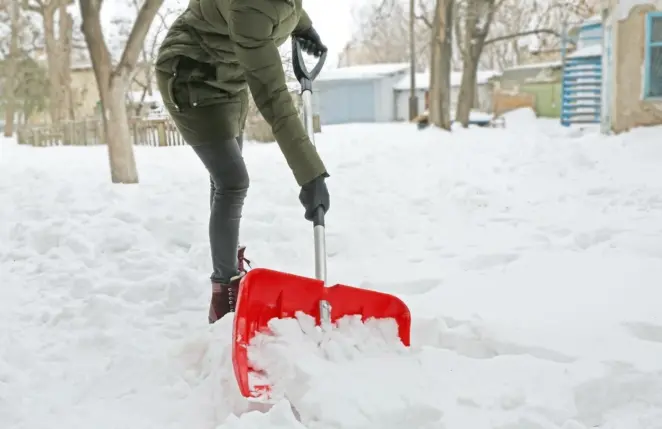
For best results, make sure to remove as much snow as possible beforehand using a shovel or a plough. This will allow any vehicles and pedestrians to move it around and mix with moisture, forming brine more quickly. While it may be tempting, never use water to do this as it might freeze and turn into black ice.
As snow becomes compacted or bonds with icy surfaces, it becomes much harder to remove. When possible, clear snow while it is still fresh or, even better, spread your salt before any snowfall. Not only will this prevent ice from forming, but it will also stop snow from bonding to the surface in the first place, making it much easier to clear later.
White and rock salt are both great at keeping your property, business, or site safe and ice-free. Understanding how they really work and how to apply them correctly can help you get the best performance from your salt, avoid wasting product and keep your surfaces safe once the colder months arrive.
Now that you know how to use de-icing salt correctly, it is time to stock up. Discover our full range of de-icing products and make sure you're prepared for whatever winter has in store.
