


Top 5 Tips To Stay Safe This Winter
As winter approaches, cold weather, ice, and snow can create dangerous conditions both inside and outside of your home. With temperatures falling quickly, roads and paths can become slippery, and your home may be harder to keep warm.
This is why winter preparation matters. Simple actions like gritting paths, wearing the right clothing, and checking your home is ready for cold weather can make a big difference.
Here at Online Rock Salt, we have spent almost two decades helping people, businesses, and local authorities stay safe in winter. Based on our experience, we have put together five essential tips to help keep you and others safe this season.
.: Grit Roads and Walkways
According to the Met Office, ‘If the air temperature is forecast to fall between 0°C and 4°C on a night with little or no cloud and light winds, then you need to bear in mind there may be a frost outside in the morning’. The roads and walkways can then become icy and slippery, increasing the likelihood of trips and accidents.
To prevent this, apply a generous amount of gritting salt to the surfaces you are responsible for. This will lower the freezing point of water, preventing the ice from forming and keeping your high-traffic areas safe and accessible for everyone.
There are two main types of gritting salt to choose from: rock salt, also known as grit salt, and white salt.
White salt, which tends to be slightly pricier, is ideal for areas that experience a lot of traffic in and out of buildings. It leaves no brown residue behind, helping to keep those spaces clean. Rock salt, on the other hand, is a cost-effective, reliable choice for most applications where a slight residue is not a concern, such as car parks.
Simply choose one that works best for your needs and apply it before the ice forms for best results. This proactive practice is called a pre-treatment. While applying white or rock salt on already formed ice is still effective, it generally takes longer for it to dissolve the ice. This leaves the areas that you want to protect slippery and unsafe for longer.

.: Dress Appropriately
Once temperatures drop, make sure that you have the right clothing to keep you warm and avoid the risk of developing hypothermia.
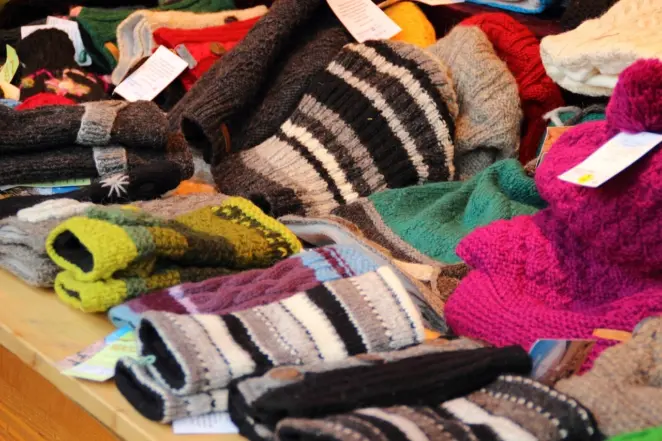
Hypothermia happens when your body temperature drops below 35°C and needs to be treated in a hospital. Children and the elderly are particularly prone as well as those who work outdoors. Some of the symptoms include shivering, pale skin, and slow breathing. One of the most common causes of this includes not wearing the correct clothes in the cold, both outside and inside your home if you live in a cold, unheated house.
To prevent this, make sure to get some good quality clothing, such as thermal tops and wool jumpers, and wear multiple layers when going outside. This traps air between garments, creating insulation that keeps you warm. It also gives you the flexibility to easily remove or add more layers if required. Even if you’re only outside briefly to do tasks like gritting paths, wear gloves, scarves, hats, and warm footwear. Not only does this reduce the risk of hypothermia, but it also protects your skin from more common winter hazards - such as chapped hands or getting a cold.
If your house is on the colder side, consider getting fleece pyjamas and bedding, as well as wearing socks to bed to trap heat. You may also be eligible for a winter fuel payment from the government to help with the heating costs if you were born before 22 September 1959 and your income is under £35,000.
.: Prepare Your Vehicle for Winter
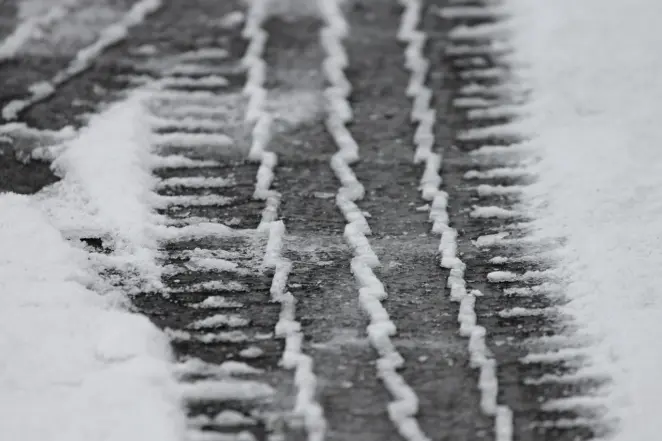
The number of car accidents increases significantly in winter because of the dangerous conditions. Before setting off, take a moment to consider whether the journey is truly necessary. If it can be postponed until conditions improve, it’s always best to do so.
It is always best to postpone the journey if conditions are not safe or if the trip is not absolutely essential.
If you must travel, make sure that your vehicle is prepared. Check fuel, oil, coolant, and screenwash levels, as well as tyre pressure, to ensure everything is in good working order.
Before you head out, put a winter pack together to keep in your car. This should include all the essentials you may need, such as a bottle of water, a cereal bar, a hat and gloves, a phone charger, and a reflective jacket.
If you live in the colder areas of the UK that regularly get snow, such as the Cairngorms or Shetland, consider investing in winter tyres too. They are made from a different type of rubber than summer tyres, so they don’t go hard at lower temperatures. This gives much better grip on icy and snowy roads.
To learn more, check out our ‘Travelling Safely in Winter’ blog.
.: Winter-Proof Your Home or Business
Taking simple steps to winter-proof your property can make it much more energy-efficient and comfortable during winter. It can also help to reduce the amount you pay on your heating bills and preserve the life of some appliances.
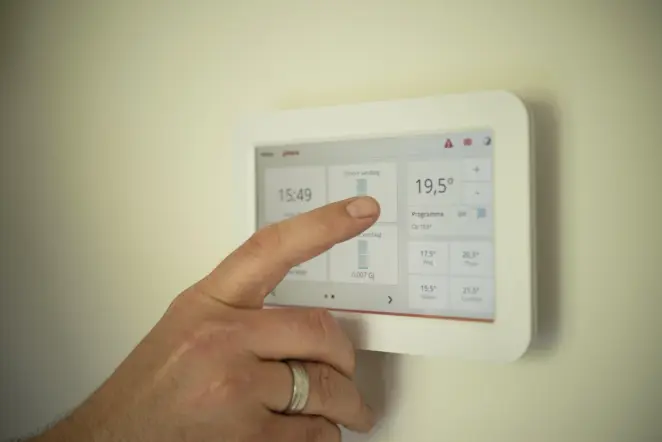
Start by keeping it warm to avoid any health-related risks due to the cold. Installing a smart thermostat is a great way to do that. It allows you to remotely control the heating in your home or business. Some models even learn from your routine to heat your home for when you arrive or during business hours, then turn the heating off when you leave.
To keep the heat in your property for the longest time possible, make sure to insulate your loft. Loft insulation is highly effective at reducing the amount of heat that escapes through the roof, trapping heat inside.
Insulate your pipes too. It only takes a few minutes and prevents them from freezing and bursting in cold weather. If this happens, the damage can be expensive to fix and could leave you without hot water.
Finally, if you manage a garden around your property, take care of the lawn to prevent damage and make maintenance easier once spring arrives.
.: Beware of Fire Hazards
In the run-up to Christmas, many of us will put multiple Christmas lights inside and outside our homes. Unfortunately, these can quickly become a fire hazard. Traditional Christmas lights can overheat and if placed next to a flammable material, such as a real Christmas tree, a fire can break out in just a couple of seconds. Some other reasons why Christmas lights may catch fire include faulty wiring, overloaded outlets, and damaged cables.
To reduce the likelihood of this happening, make sure to use good-quality LED lights. These are much safer as they use less power, producing less heat as a result. However, even with LED lights it is always best to be careful as accidents can still happen.
Similarly, make sure not to leave candles unattended and only use heaters and electric blankets that meet safety standards. You should also never use gas stoves or ovens to heat your home as this can lead to carbon monoxide poisoning and even death.

There are many things that you can do to stay safe this winter.
From spreading gritting salt on the road to making sure you wear appropriate clothing, along with winter-proofing your home and avoiding fire hazards, following our simple tips can make a real difference in keeping you and those around you safe.
Don’t get caught out by snow and ice! Stock up on high-quality de-icing salt today and be ready to keep your home, workplace, or site safe this winter!
