


Salt for De-Icing: How to Use It
During winter, ice and snow can quickly make any outdoor surface slippery and unsafe. Knowing how to use salt for de-icing is essential to prevent slips, trips, and accidents.
Salt is one of the best de-icers. It stops ice from forming and prevents snow from building up by lowering the freezing point of water. This process, called freezing point depression, works effectively at temperatures as low as around -8°C. Since UK temperatures rarely drop below this, it’s an ideal choice for keeping roads, pavements, and car parks safe.
By applying it at the right time and using the correct techniques, you can keep your home, business, or property safe throughout the winter.
.: Choose the Right Salt for De-Icing
Before buying your de-icing salt, it’s important to consider what you plan to use it on and choose something that truly meets your needs. Otherwise, you could end up with a large quantity of salt that isn’t suitable for your intended use.

Rock salt is mined from underground deposits formed when ancient seas evaporated and were buried beneath layers of rock, soil, and remains of sea creatures over time. It contains some impurities, such as sand and clay, that give it a slightly brown colour. As a result, it tends to leave behind a slight residue, so it is better used in areas where this is not a concern, such as car parks or roads.
White salt is harvested by evaporating sea water. Because of this, it has fewer impurities, making it an ideal solution for areas that experience a lot of traffic in and out of buildings since it will not stain any indoor floor surfaces if accidentally brought inside.
However, before you make your purchase, make sure to research the supplier too.
While it is often presumed that all de-icing salt suppliers offer the same quality products, unfortunately this is not true. To make sure that you get your money’s worth, only buy your salt for de-icing from suppliers that meet the BS 3247:2011 standard, such as us. This helps to ensure that the rock salt you purchase has less than 4% moisture and its particles are the right size. If the moisture content is higher than that, it will make the gritting process more difficult as the salt is likely to clump together, spreading unevenly and leaving some areas unprotected.
White salt can be trickier to choose because the standard does not cover it. Instead, choose a company that is committed to their own in-house checks. In our company, this includes making sure that each product is weighed and inspected before shipment and then delivered in a timely manner. To learn more about this, check out our ‘Commitment to Safety and Quality’ blog.
BS 3247:2011 standard is a certification granted by the British Standards Institution (BSI), a global leader in technical standards and certifications.
Finally, it’s worth purchasing your salt ahead of winter. As temperatures drop and demand rises, prices often increase. Buying early allows you to secure lower prices and have salt on hand when icy conditions arrive, saving both time and money.
.: Keep an Eye on the Weather Forecast
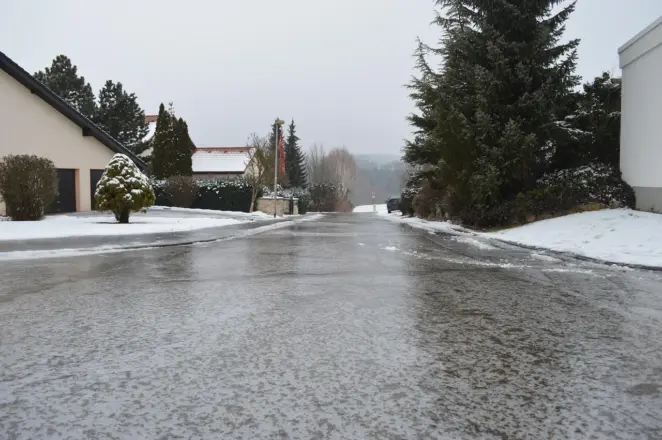
Once you have purchased your salt, it is time to start keeping an eye on the weather forecast so that you know when to use it.
Gritting is most effective when done before the ice and snow form, a practice sometimes called a proactive treatment or pre-treatment. While applying grit on already-formed ice is still effective, it takes longer for the salt to dissolve it. This is because salt works best when dissolved in water.
When applied directly to ice, it has to wait for either pedestrian or vehicle traffic to crush the ice, allowing it to mix with moisture. In quieter areas, this can take hours.
Things get even more complicated if snow has already formed.
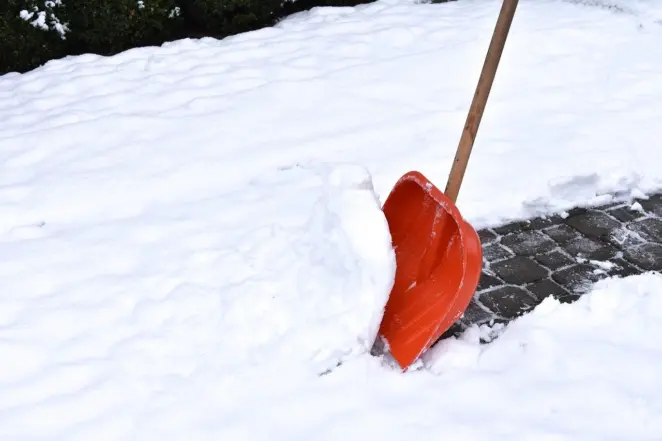
For best results, your de-icing products must make direct contact with the ice and pavement, meaning snow removal is required before gritting. This can be both physically exhausting and time-consuming.
Because of this, always check the weather forecast for the next day. Ground temperatures are often lower than the air temperature, leading to ice forming when you least expect it. To be safe, if temperatures are expected to fall to 4°C or below, spread your de-icing salt the evening before.
.: Choose the Right Equipment
Depending on the size of the property or site that you need to de-ice, you may consider gritting by hand or investing in a spreader.
For small areas, gritting by hand can be a good option as it does not require you to invest in any equipment. Simply put on some gloves for protection, grab some salt and spread it over the areas that need de-icing. However, it is worth noting that this method can be very time-consuming and can lead to uneven distribution of salt, resulting in slippery patches.
Gritting by hand can be a great option for smaller areas.
If you are responsible for a medium to large area, a salt spreader is worth considering.

There are two types of salt spreaders to choose from: a hand-held spreader and a push one.
Hand-held salt spreaders start from as little as £10. They are small, easy to store, and cost-effective. However, their smaller size means they need to be refilled more often, making them most suitable for small to medium areas.
Push spreaders, on the other hand, have a larger capacity, covering wide paths quicker and further reducing the time and effort that it takes to grit the area. This makes them a good investment if you regularly de-ice large spaces. However, they can be a bit pricey as they usually start from £100 and require designated storage space.
.: Spread the Salt
Once you decide how to spread your salt, it is time to finally do it.
Before you start, make a list of the areas you need to de-ice, prioritising them by daily usage. These can include car parks, walkways, fire exits, and any other locations important to you. Having a checklist like this ensures that no key areas are accidentally left ungritted.
Once this is done, it’s time to spread your salt. Whether you use rock or white salt, we recommend spreading 10-15 grams per square metre when combating ice. If snow is also forecast, increase this to 20–30 grams per square metre, as a high volume of snow can reduce the salt’s effectiveness if too little is applied.
According to the Met Office, it is also very important to ‘pay extra attention to clearing snow and ice from steps and steep pathways - you might need to use more salt on these areas.’ This is because gravity can wash away salt that has mixed with moisture, leaving them exposed.
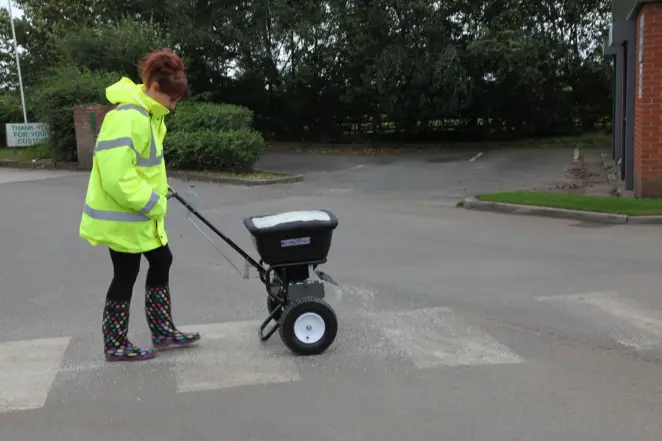
For best results, remember that de-icing salt does not stay effective forever once applied. Busy areas and shaded spots are more prone to ice forming, as foot traffic and limited sunlight can reduce the salt’s effectiveness over time. Because of this, make sure to check these places regularly and reapply salt at the first signs of ice.
Heavy rain can also wash any de-icing products away, so make sure to re-grit your areas again as soon as the rain stops to provide maximum safety.
.: Store Your Salt Correctly
Since the UK is surrounded by the ocean and seas, it has a relatively humid climate. This can be a problem if you do not store your salt properly, as salt naturally draws moisture from the air.
If your salt gets too moist, it will feel damp and sticky. Over time, it can clump together, requiring you to break it apart by throwing it onto a hard surface or by using a specialist tool such as a hammer. This can be time-consuming and cause delays when you need your salt most – during sudden icy conditions. Even once broken up, damp salt is harder to spread evenly, making it less effective.
This is why it is important to store your salt correctly.
Loose salt or bulk bags should always be kept covered and, if possible, stored indoors to avoid moisture getting in.
Pre-bagged salt for de-icing is already delivered in sealed packaging to keep it moisture-free. However, we still recommend storing it somewhere covered or indoors. This is because long exposure to sunlight can weaken the packaging over time. Once the bag is opened, moisture compromises the quality of the product, so it needs to be used quickly.
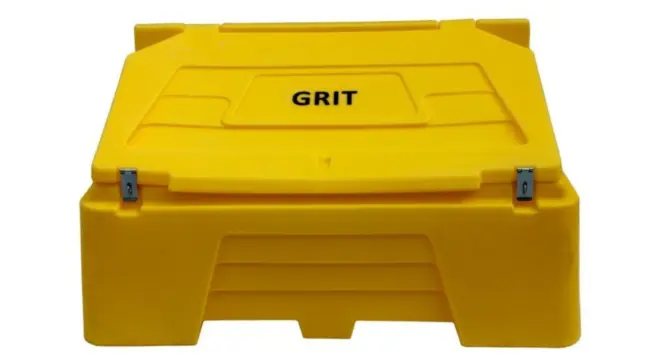
For the most efficient storage, invest in a grit bin. These outdoor containers are designed to provide watertight, sunlight-resistant storage, keeping salt dry and ready for use. They can also be placed wherever needed, allowing quick access during icy conditions and helping maintain maximum safety.
Knowing how to use de-icing salt is the best way to keep your site safe when the temperatures drop. From planning which areas to treat, choosing the right tools, and storing your salt correctly, every step helps protect you against ice and snow.
Take some time to research your supplier, too. Working with a certified, reliable partner like Online Rock Salt ensures your salt spreads easily and evenly when you need it most.
Explore our full range of de-icing products today and be ready for whatever winter brings!
