


Gritting Services vs DIY Gritting: Which Is Best for Your Site?
Are you wondering whether you should grit your site yourself or hire a professional?
One of the biggest concerns for anyone responsible for keeping a business, site, or premises running is how to keep it safe and accessible once temperatures drop. This leads to an important decision: is it better to use a professional gritting service or do it yourself?
At Online Rock Salt, we have been helping customers stay prepared for winter conditions for over two decades. Covering everything from how both options work to the pros and cons, and when each approach tends to be most suitable, we have put together all the information you need to make the right decision.
What Gritting Yourself Actually Involves
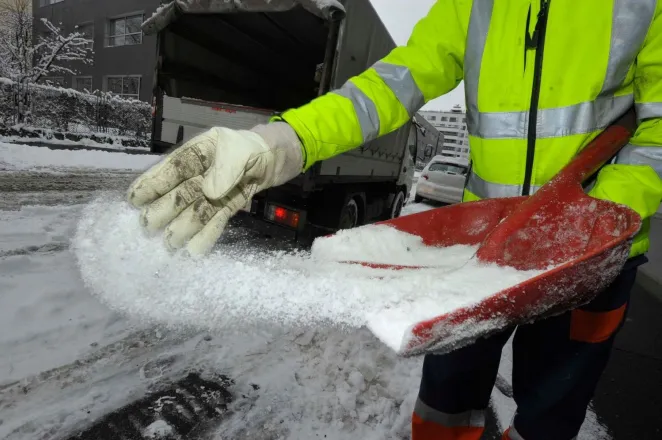
Gritting your areas yourself is quite an easy process.
Start by buying some de-icing salt. Depending on your needs, there are two different types that you can choose from: white and rock salt.
White salt contains fewer impurities than rock salt and is less likely to stain any indoor floor surfaces, such as carpets or tiles. As a result, it tends to be a preferred option for many businesses with high foot traffic, such as restaurants and shops.
Rock salt, on the other hand, contains more impurities, such as clay, that give it a brown colour. As a result, it tends to leave a slight brown residue behind. It is very effective at treating areas where this is not a concern, such as private roads or large car parks. It is also cheaper. To learn more, visit our ‘Rock Salt vs White Salt’ blog.

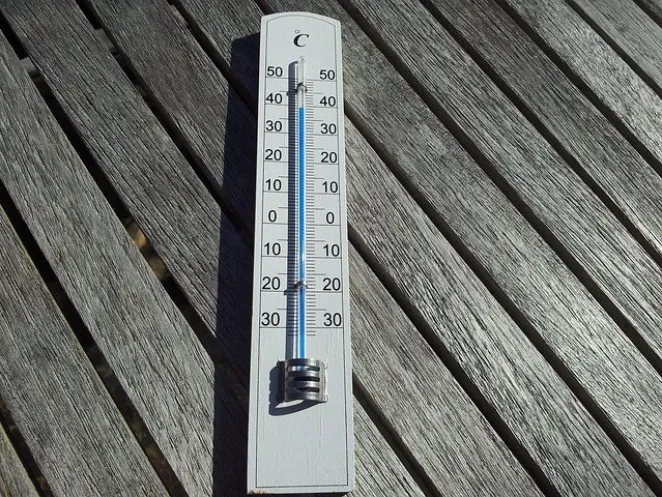
Once you have your salt, you then need to keep an eye on the weather forecast to make sure that your key areas are always treated when needed. Find a reputable website, such as the Met Office, and regularly check it for any changes. Since surface temperatures tend to be lower than air temperatures, grit as soon as these are expected to fall to 4°C or below. To learn how to do this, visit our ‘Salt for De-Icing: How to Use It’ blog.
If you plan to ask members of staff to carry out winter maintenance, make sure they have some training on how to grit areas correctly. This includes understanding correct spreading rates and when to reapply the salt for maximum effectiveness.
When gritting yourself, you must also stay on top of your stock levels so that you do not run out of salt when you need it most. Proper storage is just as important, as it helps prevent the salt from absorbing moisture and clumping together.
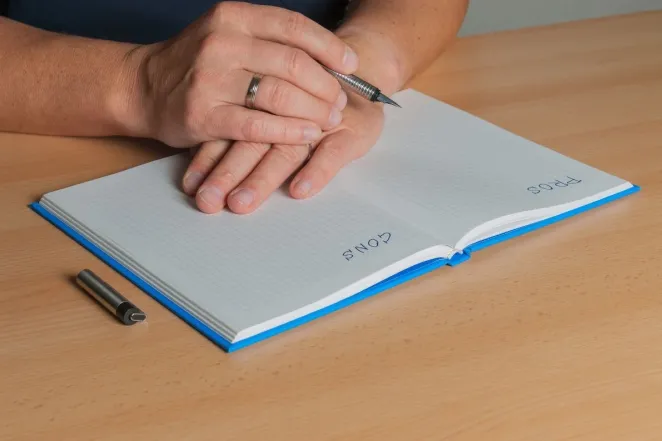
Pros and Cons of DIY Gritting
Pros: Buying salt and spreading it yourself is much cheaper than hiring a professional. It also gives you more flexibility - you can spread the salt as the temperatures start to drop, at a time that’s convenient for you, with no need to wait for a contractor. You can also easily reapply it as soon as you notice the salt’s effects wearing off, for example after heavy rain, keeping your areas safe without delays.
Cons: You need to regularly check the weather forecasts and make sure that enough salt is available for when temperatures drop, which can be time-consuming. The main challenge is usually making sure someone is available to grit the area, especially if they consider winter to be their busy period.
What a Professional Gritting Service Does
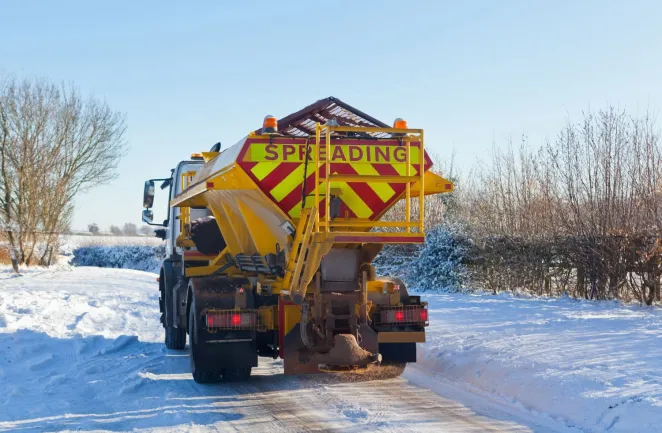
As the name suggests, a professional gritting service will take care of de-icing your areas for you.
Once you find the right supplier, you will usually agree a service plan with them. These are typically either proactive or reactive.
A proactive plan means the provider either works to a pre-agreed schedule or monitors weather conditions to determine when gritting is needed. This allows salt to be applied before ice or snow has the chance to form.
A reactive approach, on the other hand, is sometimes called emergency gritting. It occurs once the snow or ice has already formed on the ground. With this approach, the provider is contacted once treatment is needed, and they will then attend the site to treat the affected areas.
Pros and Cons of Using a Gritting Service
Pros: When using a professional gritting service, you do not need to keep an eye on the salt levels or spread the salt yourself, taking this responsibility away. Salt’s storage is also taken care of, which can free up some of your space. If using a proactive gritting service, you do not need to monitor the weather conditions, since the company does it for you or there is a fixed plan put in place as to when gritting would work best. This can also be scheduled to avoid any busy times at the company, minimising any disruption.
Cons: Using a professional service can be expensive, particularly for smaller businesses or sites with limited budgets. The control over the whole process is reduced too. Gritting companies can struggle with delays in case of sudden cold snaps, potentially running behind and having to de-ice your areas during your busy times. When relying on a reactive approach, you might find that the companies get fully booked altogether, meaning they are unable to de-ice your space. This can leave it unsafe and prone to slips, trips, and falls.
Using a professional gritting service reduces the need to monitor weather conditions, store salt, and carry out the gritting yourself. However, it can be expensive and offers less control over the process.
Which Is Right for You?
Both DIY de-icing and professional gritting services are widely used across the UK. The right choice depends on your needs and how involved you want to be.
Choose DIY gritting if you:
- Want a straightforward approach to winter maintenance.
- Are looking for an affordable way to keep your areas safe.
- Want full control over when gritting takes place.
- Have availability to monitor weather forecasts and spread salt when necessary or have staff who can do this.
- Want to avoid relying on contractor availability during sudden cold snaps to prevent any impact on day-to-day operations.
- Prefer to manage your own salt supply.
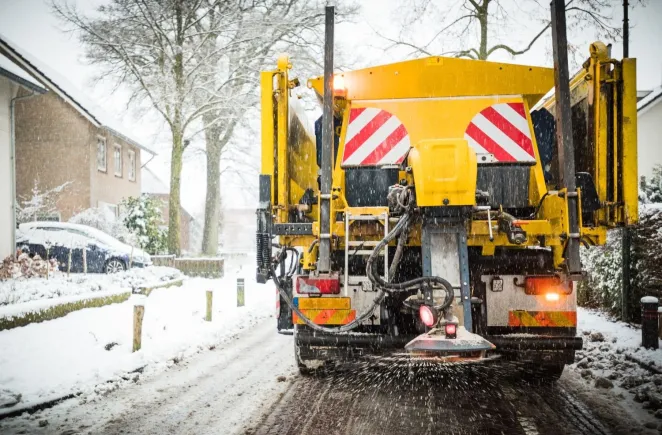
Choose a professional service if you:
- Prefer the gritting process to be handled externally.
- Are too busy to monitor winter conditions or manage stock levels.
- Do not mind your areas staying icy and slippery a bit longer if there is a possible delay.
Many people also choose a combined approach, using professional services while keeping de-icing salt on-site. That way, if there are any delays or stock issues, they can still treat their key areas and keep them safe.
Making the right decision for your site or business depends on how you prefer to manage winter maintenance and how involved you want to be.
Whatever method you choose, it is always helpful to have some de-icing salt on hand. Explore our full range of products today and make sure your site is ready for winter, whatever the conditions.
