


Gritting: Why Some Areas Freeze Before Others
Did you know not all surfaces freeze at the same time?
It is a common misconception that once the temperatures start dropping, ice forms evenly across all outdoor surfaces, such as pavements, roads, bridges, and more. However, this is not the case.
Some areas can freeze much faster than others, even if they are only a short distance apart. This happens because of several factors, including surface temperature, moisture, sunlight, and how exposed to the elements the area is.
Understanding which areas are most likely to freeze first can help you prioritise which locations to grit first. It can also help you avoid potential problems once winter comes around.
Which Areas Freeze Faster?
Bridges
Bridges, even small ones, are more susceptible to ice than standard roads.
Firstly, bridges are more exposed to the elements than normal roads. Since they have no ground underneath them, there is nothing shielding them from the cold air, allowing it to circulate both above and below them. This causes heat loss from every side, resulting in surface temperatures dropping more quickly. Regular roads only lose heat from their surface while keeping some heat from the ground underneath, causing this process to be much slower.
Secondly, bridges often span rivers, streams, or other bodies of water. Still water often freezes quickly, creating cold spots that make the bridges more prone to freezing.
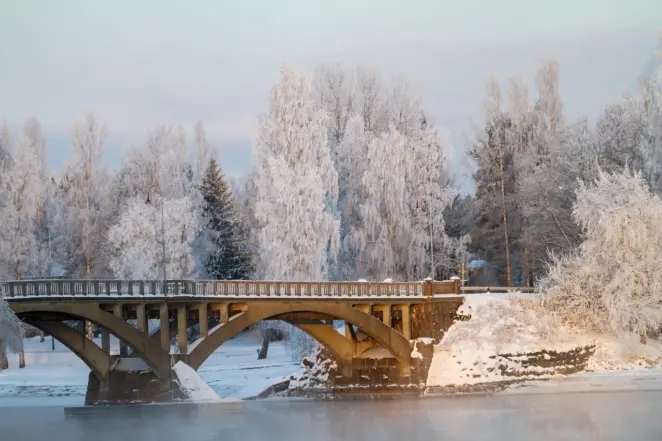
Lastly, most bridges are built with steel and concrete, which are good heat conductors. Any heat retained within the bridge is transferred to the surface where it meets the cold temperatures, cooling it rapidly. This can result in ice spots being created on the structure.
As a result, the nearby roads may be ice-free and safe to drive on, while the bridge may have hidden icy patches.
Shaded Areas
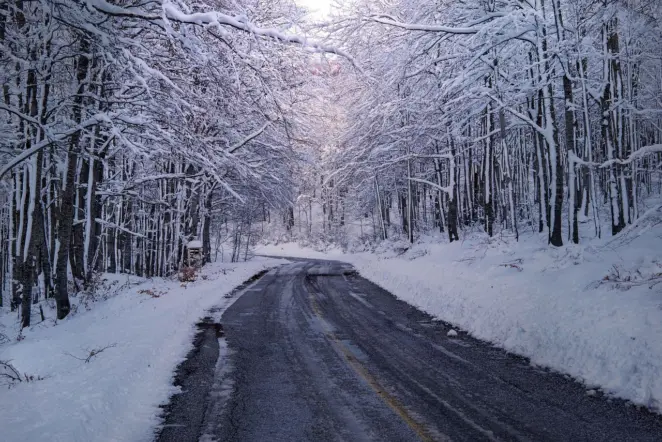
Any shaded areas are more likely to freeze faster than areas that receive plenty of sunlight.
Sunlight can naturally warm up surfaces. When this happens, it can cause them to become warmer than the air temperature around them. This prevents them from freezing and contributes to ice melting faster. On the other hand, any roads, pavements, or other outdoor areas that are shaded by larger trees, shrubs, buildings, or hills will naturally get less sunlight. As a result, they do not warm up as much during the day, staying colder and making them more likely to freeze quickly as the temperature drops. Ice can also stay on these surfaces for longer, even if it has already melted elsewhere.
North-Facing Surfaces
According to the Met Office, ‘south-facing slopes in the northern hemisphere receive more sunlight than the opposite slopes and are warmer’.
This means that in the UK, any north-facing surfaces will receive less direct sunlight during the day and as a result, may not warm up as much as south-facing ones. Since they are likely to be colder, they may be more likely to freeze sooner. Ice can also stay on the surface for longer when compared to other areas.
However, this does not mean that every north-facing surface will freeze first. Other factors, such as wind and moisture, can also affect surface temperatures.

Areas With Standing Water
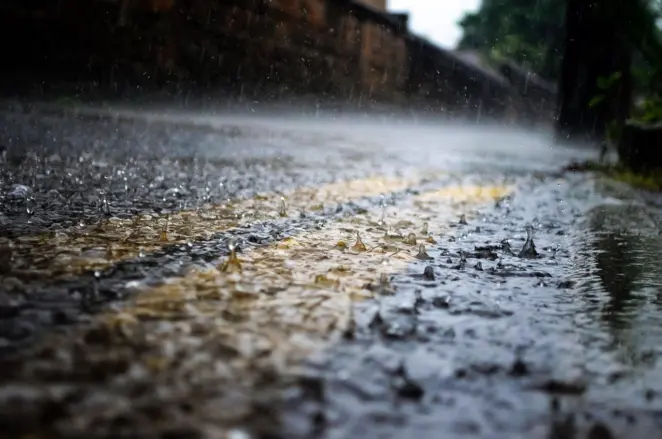
Areas with standing water are likely to become icy faster too.
Ice needs moisture to form, and puddles, potholes, and dips can leave water sitting on the surface for a long time.
Since this water is usually still, there is no movement to disturb the creation of ice crystals once the temperatures drop. This can result in patches of ice forming on the surface.
These can be difficult for both drivers and pedestrians to spot, especially at night when visibility is limited or during poor weather conditions.
Wind-Exposed Surfaces
In case of sudden cold winds, any surfaces located in windy and exposed areas may be at greater risk of freezing faster. This is because the wind can strip away the thin layer of warm air resting just above the surface, cooling it to the actual air temperature instead.
On the other hand, if the area is protected by any structures, hedges, or similar, these can block the freezing winds. As a result, it takes longer for it to cool down and freeze.
However, it is important to remember that windy locations do not automatically guarantee ice forming first. Sometimes, wind can dry out moisture from the surfaces, which is needed for ice to form in the first place, preventing this from happening.
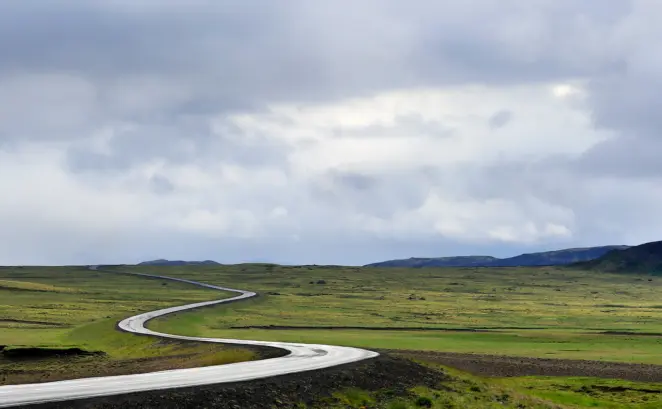
On clear, calm nights, any sheltered, low-lying areas may freeze sooner than the windy areas too. This happens because the cold air is denser than warm air, sinking to the ground, and cooling them down without wind to mix the two together.
How Does This Affect Salt Gritting?
Whether you work for a council, business, or simply want to keep your own site safe, knowing where ice is more likely to form first can help you decide which areas need particular attention when gritting.
Bridges, shaded areas, north-facing surfaces, areas with standing water, and windy locations may be more likely to become slippery and dangerous, even when other surfaces are still ice-free. Identifying any locations that fall into these categories in advance can make it easier to prioritise them once the temperatures fall.
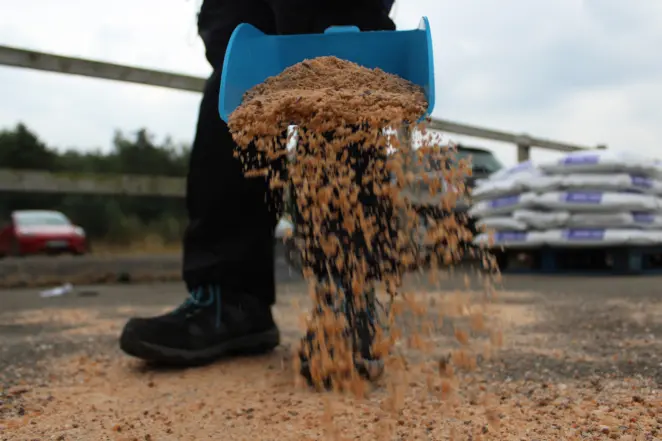
For best results, treat any problem areas before the ice has a chance to form, a practice called pre-treatment. Although salt is still highly effective when used once surfaces are already frozen, it usually needs to be activated by foot and vehicle traffic, which can take longer in quieter areas.
Some other things you can do to make your areas safer this winter include improving drainage where possible to avoid standing water and having a good gritting process in place. This should include reapplying de-icing salt after any heavy rain because the rainfall will wash it away. You should also reapply it as soon as you notice your areas getting slippery again.
Using good-quality products, such as our rock salt and white salt, can also make gritting much more effective. Good-quality salt has the right moisture levels and particle size, making it easier to spread and preventing clumping when you need it most.
For step-by-step instructions on how to grit your areas, visit our ‘Salt for De-Icing: How to Use It’ blog.
Understanding which areas are more likely to freeze first and why gives you an opportunity to prepare better for when the cold temperatures arrive.
Are you looking for a reliable de-icing salt supplier? Explore our full range of products and stock up today to keep yourself and others safe this winter.
